
 English
 Español
 中文简体
中文简体 Português
If you need any help, please feel free to contact us
How A4 Sublimation Papers and Satin Photopaper Help with Fabric Printing?
Getting a printed design onto fabric the right way takes some care. People who make custom t-shirts, bags, or other textile items need materials they can count on. A4 Sublimation Papers and Satin Photopaper are two types of paper that many people use for this job. These papers help move ink from a printed sheet onto fabric using heat.
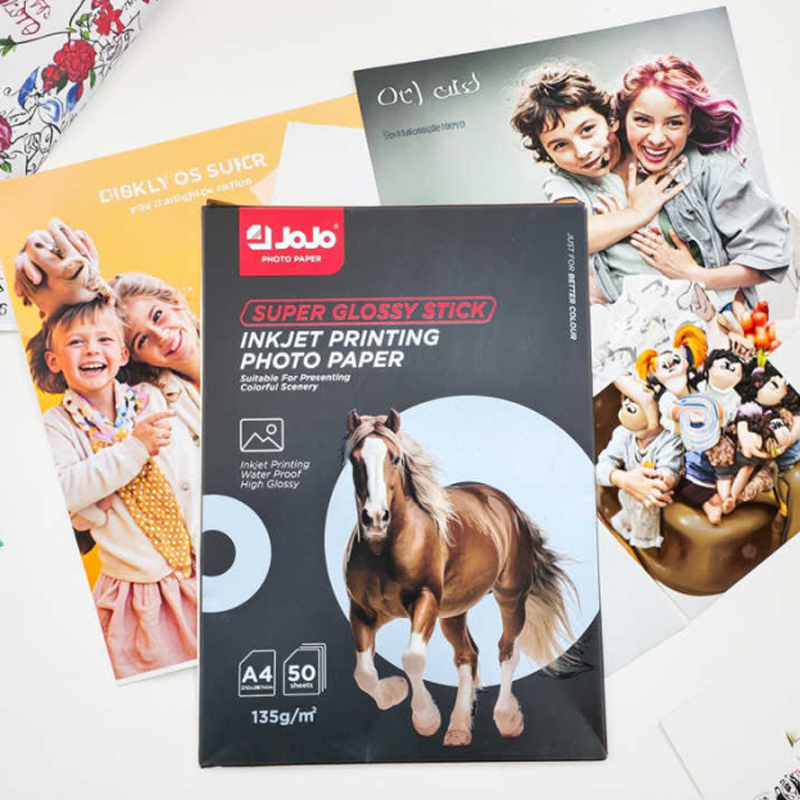
What Makes These Papers Good for Fabric
The way paper is made changes the results on fabric. Satin Photopaper has a smooth finish. It is not too shiny, but it is not flat either. This surface holds ink in place well. When heat is applied, the ink releases from the paper in a controlled way. This helps keep lines and small details looking sharp on the fabric.
A4 Sublimation Papers are made for a specific kind of printing. They work with sublimation ink and heat to turn the ink into a gas. This gas then bonds with the fabric. These papers are designed to let the ink go at the right time. They do not hold onto the ink too much, and they do not let it soak in too fast. This careful release helps keep colors bright and patterns clear.
Getting Fabric Ready for Printing
Before using the paper, the fabric needs to be ready. Different fabrics react to heat in different ways. Polyester fabrics usually work well with sublimation. Cotton can be harder to use unless it has a special coating. Users should check what their fabric is made of.
The fabric should be clean and flat. Wrinkles can cause the paper to lift away from the fabric during pressing. This can make parts of the design look light or blurry. Some fabrics also need to be pre-pressed with a heat press for a few seconds. This takes out moisture and extra wrinkles. It gets the fabric ready to accept the ink evenly.
Using A4 Sublimation Papers and Satin Photopaper the Right Way
There are some simple things users can do to get better results with these papers.
- Keep paper stored in a dry place. Moisture can change how the paper behaves.
- Make sure the printed design is facing the right way on the fabric. It is easy to put it on backwards by mistake.
- Use a heat press instead of a hand iron. A heat press gives steady heat and pressure across the whole design.
- Put a piece of heat-resistant tape on the corners of the paper. This stops it from moving when the press is closed.
- Check the temperature and time settings before pressing each piece. Small changes in heat can change the colors.
Doing these things helps users get prints that look the same every time.
Heat and Pressure Matter a Lot
The heat press is a big part of getting good results. The temperature, the pressure, and how long the press stays closed all work together. A4 Sublimation Papers are made to work within certain heat ranges. If the heat is too low, the ink might not fully turn into a gas. The colors will look dull. If the heat is too high, the ink might spread out too much. This makes edges look fuzzy.
Satin Photopaper also responds to heat in a steady way. When pressed correctly, it lets go of the ink smoothly. This helps keep the colors looking rich and the details looking crisp. Users should write down the settings that work for their specific fabric and paper. This makes it easy to repeat good results later.
Keeping Results the Same Across Many Prints
When someone is making a batch of shirts or bags, they want all of them to look the same. Using the same paper type for the whole job helps with this. A4 Sublimation Papers from a trusted brand will act the same way each time. The colors will come out looking consistent from the first print to the last.
Satin Photopaper also helps with this. Because it absorbs and releases ink in a predictable way, users can trust what the final product will look like. They do not have to guess or test every single piece. This saves time and materials. It also means less frustration when filling a large order.
Other Ways to Use These Papers
These papers are not just for t-shirts. People use them for many different fabric projects. Custom pillows, tote bags, and mouse pads are common items. Some people make flags or banners with them. The papers handle complex designs well. Things like small text, detailed logos, and faded color effects come out clearly.
Because the papers work with standard printer sizes, they are easy to use at home or in a small shop. A4 Sublimation Papers fit many common printers. Users can print test samples on small fabric scraps before moving to a big project. This helps them see if the colors and details are right without wasting fabric.
Contact Information
- OFFICE 309, GUOMAO PLAZA, NO.999 CHOUZHOU NORTH ROAD, YIWU, CHINA YIWU AOTIAN DIGITAL TECHNOLOGY CO., LTD.
- +86-579-85555923
- jojo001@ywjojo.com
- +86-15214708046
Quick Links
Mobile
Are You Ready To Work With Us?

