
 English
 Español
 中文简体
中文简体 Português
If you need any help, please feel free to contact us
Papier Photo Double Face vs Single-Sided Photo Paper: What's the Difference
Printed images continue to serve many purposes in personal activities, office work, educational materials, and commercial communication. Photographs, promotional content, product catalogs, invitation cards, and creative projects often require paper that can support image quality and present visual details clearly. Because various printing tasks involve different expectations, selecting the appropriate paper type has become an important step before starting a project.
Many users focus on printer settings and image resolution, yet the paper itself also affects the appearance of the final output. Surface coating, thickness, printable areas, and paper structure all contribute to how printed materials look and feel after production.
Among the options available in the market, Papier Photo Double Face and traditional single-sided photo paper are frequently discussed because they serve different printing purposes. Although both are used for image printing, their structures and practical applications can vary significantly. Understanding these differences may help users choose materials that align with specific project goals and printing conditions.
In some situations, users also compare these products with A4 Glossy Photo Paper, especially when selecting materials for home printers, office equipment, or customized print projects.
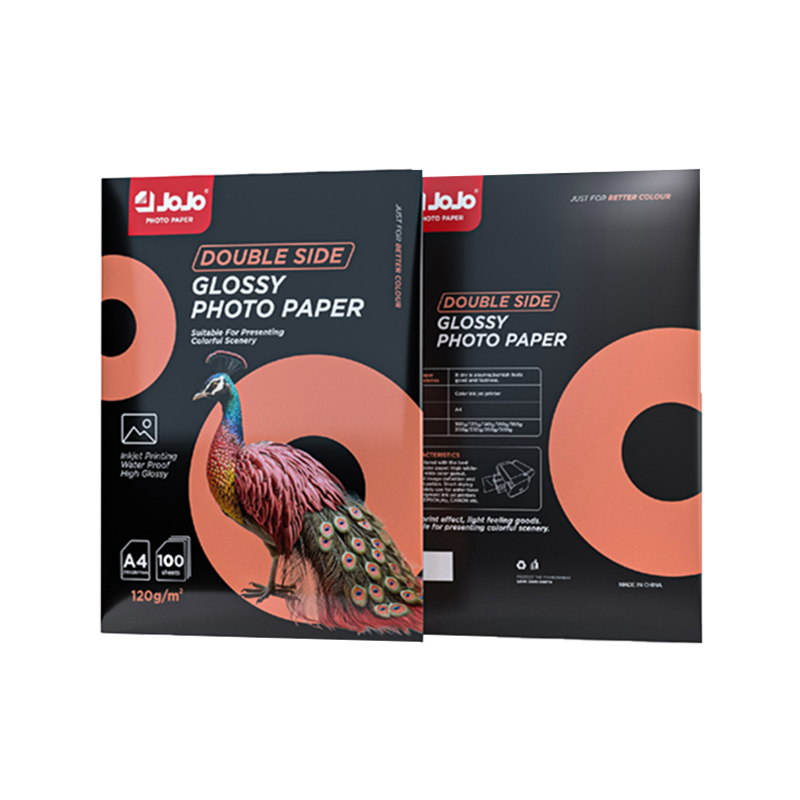
What Is Papier Photo Double Face?
Papier Photo Double Face refers to photo paper designed with printable coatings on both surfaces. Unlike conventional photo paper, both sides can accept printed content, allowing images, text, or graphics to appear on each surface.
This type of paper is often selected when projects require greater content capacity without increasing the number of sheets being used.
The printable surfaces may support:
- Images on both sides
- Text and graphics combinations
- Product information
- Decorative elements
- Presentation layouts
Because both sides contribute to the final result, users can organize content more efficiently while maintaining visual continuity.
The surface appearance may vary according to product design, but glossy finishes are commonly used because they support a smooth and visually appealing presentation.
What Is Single-Sided Photo Paper?
Single-sided photo paper is designed with a coated printable surface on one side and a backing layer on the reverse side.
The coated surface is intended for image reproduction, while the opposite side often remains uncoated or includes manufacturer markings and supporting layers.
Traditional photo printing commonly uses this format because users usually print one image on a single sheet.
Typical applications include:
- Printed photographs
- Framed images
- Posters
- Display graphics
- Presentation visuals
For projects where only one side will be visible, single-sided paper often provides a straightforward printing solution.
Differences in Printable Surface Structure
One of the more noticeable differences between these paper categories involves the printable area.
- Single-sided paper offers one active printing surface. After printing, the reverse side generally serves as structural support rather than content space.
- Double-sided paper expands available space by providing two printable surfaces.
This difference influences how users arrange information.
For example:
- A product catalog printed on single-sided paper may require additional pages because each sheet only supports one image side.
- With Papier Photo Double Face, product descriptions and visual elements can be distributed across both sides of each sheet.
- As a result, layouts can become more compact while preserving organization.
Thickness and Opacity Considerations
Paper thickness can affect handling, feeding performance, and visual appearance.
Single-sided photo paper and double-sided paper may differ in structural design because coating layers are distributed differently.
Users commonly evaluate several characteristics:
Light Transmission
Paper with lower opacity may allow printed elements to become visible through the sheet under certain lighting conditions.
Higher opacity levels can help reduce visibility from the opposite side when both surfaces are printed.
Physical Rigidity
Some projects require stronger paper structures to maintain shape during handling.
Examples include:
- Greeting cards
- Menus
- Product displays
- Presentation materials
For these situations, paper thickness may influence overall usability.
Printing Equipment Performance
Very thin paper may feel lightweight during handling, while very thick products can sometimes require additional printer adjustments.
Checking printer specifications before selecting paper can help avoid feeding issues.
Differences in Printing Applications
The intended use of the project often determines which paper category is more suitable.
Applications for Papier Photo Double Face
Double-sided photo paper can support projects where both surfaces provide meaningful content.
Common examples include:
- Product Catalogs-Images and product descriptions can appear on opposite sides of the sheet.
- Menus-Restaurants and cafes often require organized layouts containing images and text.
- Greeting Cards-Messages and decorative designs may be placed on different sides.
- Albums and Creative Projects-Photo collections often combine images with written information.
- Promotional Materials-Flyers and brochures frequently contain multiple content sections.
- Because both sides are available, users can create more compact layouts.
Applications for Single-Sided Photo Paper
Single-sided products continue to serve many common printing needs.
Examples include:
- Standard Photo Printing-Family photographs and personal image collections frequently use single-sided formats.
- Posters-Wall displays generally require only one visible side.
- Framed Images-Once placed inside a frame, the reverse side is hidden from view.
- Display Graphics-Presentation images often focus on a single visible surface.
For projects where only one side needs printed content, additional printable space may not provide practical benefits.
Appearance and Visual Presentation
Glossy coatings influence how colors and images appear after printing.
Users comparing Papier Photo Double Face with A4 Glossy Photo Paper often pay attention to factors such as:
- Surface smoothness
- Reflection characteristics
- Image sharpness
- Color presentation
- Fingerprint visibility
Glossy surfaces can create stronger visual contrast and make images appear more vivid. However, some users may prefer different finishes depending on lighting conditions and viewing preferences.
The selection often depends on practical needs rather than a single universal option.
Cost and Material Considerations
Paper structure and coating processes can influence production complexity and material use.
Double-sided products contain coating layers on both surfaces, while single-sided products concentrate printable functionality on one side.
Purchasing decisions may therefore involve several considerations:
- Printing volume
- Project requirements
- Paper usage efficiency
- Desired appearance
- Equipment compatibility
Users often compare total project requirements rather than focusing only on individual sheet characteristics.
Selecting between Papier Photo Double Face, traditional single-sided products, and A4 Glossy Photo Paper depends largely on how the printed materials will be used. Understanding differences in printable surfaces, structure, application scenarios, and presentation characteristics can support a more informed decision during the printing process.
Contact Information
- OFFICE 309, GUOMAO PLAZA, NO.999 CHOUZHOU NORTH ROAD, YIWU, CHINA YIWU AOTIAN DIGITAL TECHNOLOGY CO., LTD.
- +86-579-85555923
- jojo001@ywjojo.com
- +86-15214708046
Quick Links
Mobile
Are You Ready To Work With Us?

