
 English
 Español
 中文简体
中文简体 Português
If you need any help, please feel free to contact us
Double-Sided Glossy Photo Paper: Features and Common Uses
Printed materials continue to play an important role across commercial, educational, and personal applications. While digital content has become increasingly common, physical prints remain valuable for product displays, promotional materials, presentations, and creative projects. As printing needs continue to diversify, many users are looking for paper products that provide greater flexibility and practical functionality.
Among these materials, Papier Photo Double Face and double-sided glossy printing papers have attracted attention because they allow users to utilize both printable surfaces while maintaining visual consistency. Compared with traditional photo paper that is designed for a single printable side, double-sided products provide additional possibilities for projects requiring information or images on both surfaces.
Understanding the structure, characteristics, and practical applications of these materials can help users select paper products that fit different printing environments and project requirements.
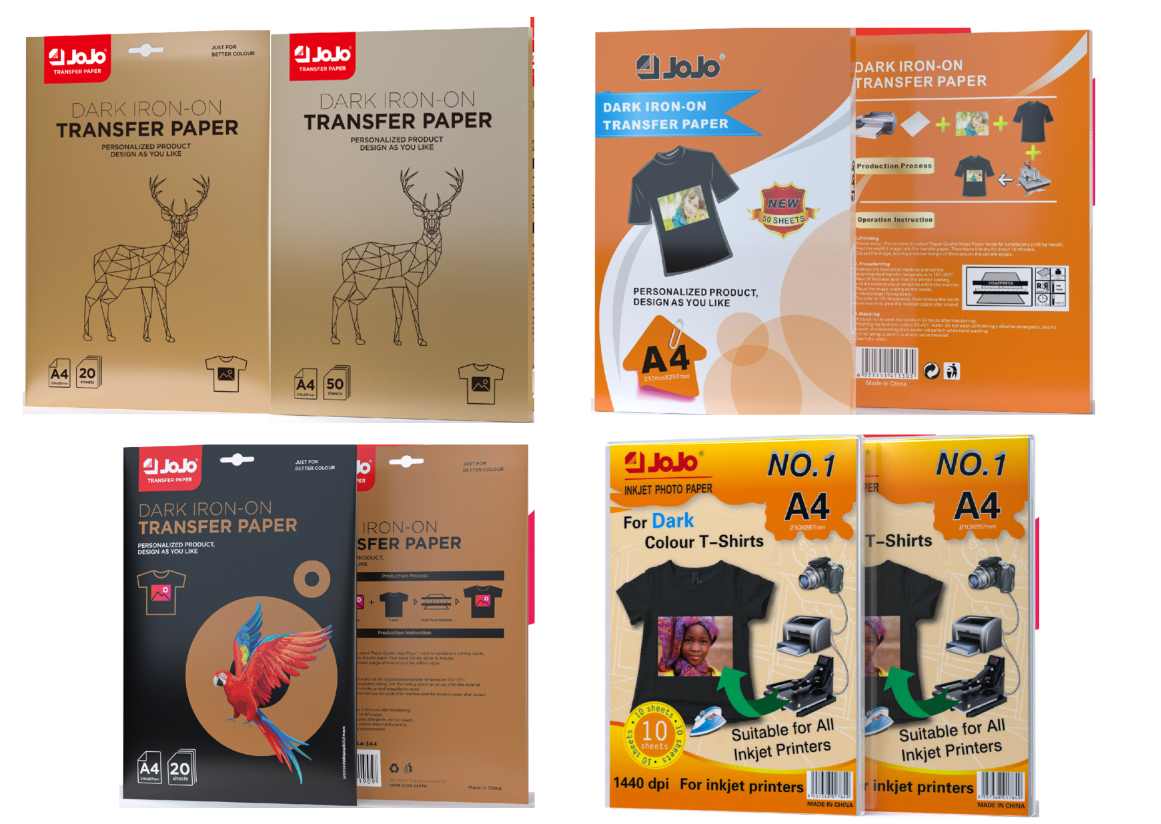
What Is Double-Sided Glossy Photo Paper?
Double-sided glossy photo paper refers to photo paper manufactured with coated printable surfaces on both sides. Unlike conventional photo paper, where one side is designed primarily for image printing, and the reverse side serves as a backing layer, double-sided paper allows content to be printed on both surfaces.
The glossy coating on each side is designed to support image clarity, color presentation, and ink reception. The surface can also create a smooth appearance that is commonly associated with photographs and marketing materials.
Many users choose Papier Photo Double Face for projects where both sides contribute to the final presentation. Since both surfaces can carry images or text, the paper can be suitable for materials that need more content without increasing the number of pages.
Main Features of Double-Sided Glossy Photo Paper
Printable Surfaces on Both Sides
One of the key characteristics of double-sided glossy paper is its ability to support printing on both surfaces.
Traditional photo paper usually provides a printable side and a non-printable backing layer. This structure works well for standard photographs, but it may create limitations when users need additional information on the reverse side.
Double-sided paper expands layout possibilities by allowing users to include:
- Images on both sides
- Product information
- Design elements
- Instructions
- Promotional content
This flexibility can help create compact printed materials while reducing the need for additional sheets.
Color Presentation and Image Clarity
Gloss-coated photo paper is often selected because of its ability to support vivid visual effects. Images printed on glossy surfaces may appear more visually defined due to the smooth coating layer.
For photographs and graphics, users often expect:
- Rich color appearance
- Clear image details
- Smooth gradients
Consistent visual presentation
Double-sided glossy paper attempts to provide similar characteristics on both surfaces, which can be useful when creating materials intended for viewing from multiple angles.
Fast Ink Reception
Paper coatings influence how ink interacts with the surface. Proper coating structures can help ink settle efficiently and reduce issues such as spreading or smearing.
Users commonly pay attention to:
- Drying speed
- Smudge resistance
- Surface cleanliness
- Print consistency
These characteristics become especially important when printing large quantities or handling documents shortly after printing.
Different Thickness Options
Double-sided glossy paper is available in different thickness categories to support various applications.
Thinner products may work for lightweight documents or temporary materials, while thicker products can provide additional rigidity for projects that require a stronger physical structure.
Paper thickness considerations often depend on:
- Printer compatibility
- Project type
- Handling requirements
- Storage conditions
Selecting a suitable thickness can help maintain stable feeding performance during printing.
Common Uses of Double-Sided Glossy Photo Paper
Brochures and Promotional Materials
Marketing and promotional printing frequently requires efficient use of space. Double-sided printing allows businesses and organizations to include product descriptions, images, specifications, and visual elements within a smaller number of pages.
Examples include:
- Product brochures
- Promotional flyers
- Information sheets
- Event materials
Using both sides can create a cleaner presentation while organizing information more effectively.
Photo Albums and Scrapbooks
Creative projects often involve combining images with decorative elements and written content.
Double-sided glossy paper can support:
- Travel photo collections
- Family albums
- Handmade projects
- Personalized memory books
Users can place images on one side and descriptions or design elements on the reverse side.
Greeting Cards and Invitations
Invitation cards and greeting materials often require text and graphics distributed across multiple surfaces.
For example:
- Front side: decorative image
- Inner section: message content
- Reverse side: event details
Double-sided paper can support this type of layout while maintaining visual continuity.
Educational and Office Materials
Schools and workplaces frequently print visual documents that combine charts, illustrations, and written content.
Examples include:
- Presentation materials
- Educational handouts
- training documents
- informational guides
Using both sides can help organize information in a more compact format.
Factors to Consider Before Choosing Double-Sided Glossy Paper
Several practical considerations may influence purchasing decisions.
Printer Compatibility
Not all printing devices support identical paper structures. Users should verify whether their printers are compatible with coated glossy materials.
Surface Preferences
Some users prefer highly reflective surfaces, while others may choose softer visual effects depending on project requirements.
Paper Weight Selection
Different projects may require different paper thickness levels.
Intended Use
The intended application can influence decisions related to durability, appearance, and print volume.
As printing requirements continue to evolve, double-sided glossy materials provide additional flexibility for many projects. Understanding the characteristics of Papier Photo Double Face can help users make practical choices based on visual goals, printing conditions, and overall project requirements.
Contact Information
- OFFICE 309, GUOMAO PLAZA, NO.999 CHOUZHOU NORTH ROAD, YIWU, CHINA YIWU AOTIAN DIGITAL TECHNOLOGY CO., LTD.
- +86-579-85555923
- jojo001@ywjojo.com
- +86-15214708046
Quick Links
Mobile
Are You Ready To Work With Us?

