
 English
 Español
 中文简体
中文简体 Português
If you need any help, please feel free to contact us
How Do A4 Sublimation Papers Work With Different Heat Press Settings?
Creative projects and small printing jobs often use Photo Paper 135 Gsm Glossy and A4 Sublimation Papers. These papers help make bright images and custom items. It is useful to know how A4 sublimation papers react to different heat press settings. This matters for beginners and experts who work on different materials. Changing the temperature, pressure, and time changes the quality of the transferred image. Knowing how the paper, ink, and press settings work together helps get steady results.
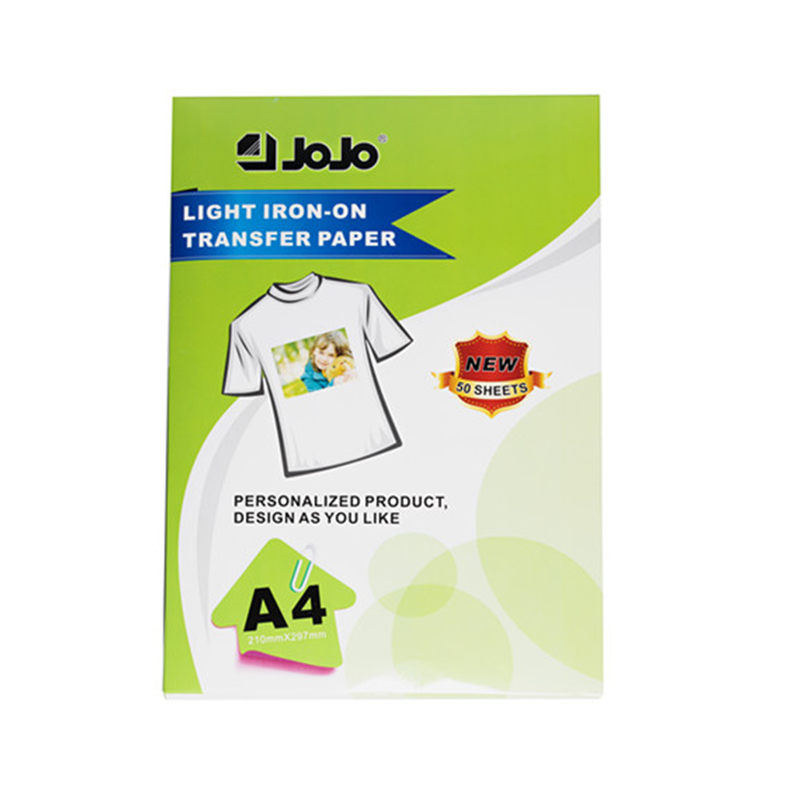
How Temperature Changes the Transfer
Heat is very important in the sublimation process. A4 sublimation papers have a special coating. This coating holds the sublimation ink. Heat makes the dye become active. Then it can transfer onto polyester fabrics, coated mugs, or other suitable materials. If the temperature is too low, the transfer may not finish. Parts of the image might look faded or be missing. But if the temperature is too high, colors can look too strong, blurry, or uneven.
Photo Paper 135 Gsm Glossy shows how a coated surface deals with heat in normal printing. This can help us understand how temperature changes the release of ink and color stability. Testing different temperature ranges helps users find the good setting for each material.
Pressure Settings and a Steady Image
The pressure used during heat transfer matters. It affects how evenly the ink moves from the paper to the material. Too little pressure can mean some parts of the design do not transfer well. Too much pressure can leave marks or press the surface unevenly.
For flat materials like polyester sheets, even and medium pressure is good. It keeps edges sharp and colors steady. For curved items like mugs, small changes in pressure help. This allows for the shape without ruining the final image.
How Time Affects the Transfer
The length of time heat is applied is also important. Time works together with temperature and pressure. It decides the final image quality. A very short time might not let all the dye move. A very long time might make colors too dark or cause slight warping.
Keeping the same timing is very important for projects that need many identical items. Watching the press time helps users get the same color and detail in every print.
Ink and Paper Working Together
The kind of sublimation ink used changes how A4 sublimation papers react to press settings. Standard sublimation inks are made to work with coated papers. The dye releases when heated. Other inks, like wax-based ones, might need different temperature or time settings. Knowing this is key to getting steady results and avoiding problems. Problems include color fading or uneven shades.
Photo Paper 135 Gsm Glossy is for direct printing. But it gives us an idea of how coated surfaces handle ink under heat. This comparison helps users guess how paper and ink will act before they use heat on their final material.
Thinking About the Material
The material you transfer onto is very important. Smooth, polyester-based materials take the dye evenly. Textured materials or mixes might need changes in temperature, pressure, or time. Testing a small area is a good idea. It helps find the settings that give a steady result.
A4 sublimation papers work with many surfaces. But you need to know your material. You need to know how much heat it can take and how its surface feels. This prevents unwanted marks or warping.
Useful Advice for Steady Results
Users can follow some simple steps when using A4 sublimation papers with different heat press settings. Place the paper the same way each time to avoid the image moving. Let the press and paper heat up fully before starting. Check that the pressure is even across the material. Test a small piece when you change to a new material. Handle the finished items gently until the dye cools and sets.
These steps help make results more predictable. They give a clearer idea of how colors and details will look on the final print.
Different Uses for Projects
People often use A4 sublimation papers for personalized gifts, promotional products, classroom items, and craft projects. Adjusting the heat press settings with care keeps colors and details steady across many items. Photo Paper 135 Gsm Glossy is a helpful guide. It shows how surfaces behave and how intense colors can be. This helps users guess what will happen in both direct printing and heat-transfer projects.
Contact Information
- OFFICE 309, GUOMAO PLAZA, NO.999 CHOUZHOU NORTH ROAD, YIWU, CHINA YIWU AOTIAN DIGITAL TECHNOLOGY CO., LTD.
- +86-579-85555923
- jojo001@ywjojo.com
- +86-15214708046
Quick Links
Mobile
Are You Ready To Work With Us?

