
 English
 Español
 中文简体
中文简体 Português
If you need any help, please feel free to contact us
How Does Photo Paper 135 Gsm Glossy Perform Under Fast-Dry Printing?
Many people now use fast-dry printing. They want to know how materials handle quick ink drying. Products like Photo Paper 135 Gsm Glossy and A4 Sublimation Papers are often compared. Knowing how these papers react helps users choose the right one. They can pick paper for photos, designs, or transfer projects without guesswork. This text explains how 135 gsm glossy photo paper works with fast-dry settings. It also covers points users should know for daily printing.
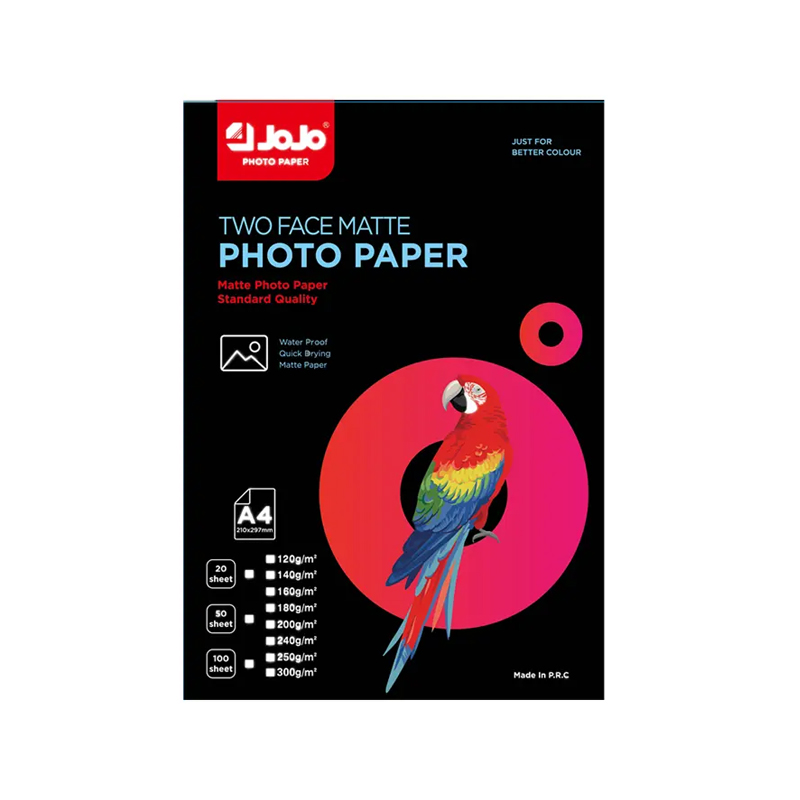
Paper Surface and Fast-Dry Ink
A key point is the paper's coating. Glossy photo paper has a special surface. It is made to take in ink fast but also hold color well. With fast-dry modes, the paper must absorb ink at the right speed. This stops puddling or uneven spots on the shiny layer.
Users often see this paper handles medium to heavy ink well. But the printer settings must match the paper type. When set right, fast-dry ink soaks into the coating without making the paper curl. This is good for photo books, office papers, and decorative prints.
Color Quality with Fast Drying
Fast-dry printing can sometimes make colors look weaker. But 135 gsm glossy paper keeps color steady if the correct printer profile is used. The high-gloss finish helps make colors bright and vivid. Users should still test a small print when using a new printer or driver.
A good point is fast drying does not harm the gloss. It does not create a chalky look. The coating stays smooth, even with solid color blocks. This makes the paper right for prints needing clear tones. Examples are event photos, product labels, or presentation pages.
Drying Time and Handling
Fast-dry printing speeds up work. But letting the print rest a short time after is wise. Photo Paper 135 Gsm Glossy can be handled soon after printing. However, waiting a moment helps avoid smudges, especially with large color areas.
The room's condition also matters. Humid air can slow drying for any paper. Users in damp places often lay finished prints flat. They let air move over them. This small step helps keep the work consistent.
Comparison to A4 Sublimation Papers
A4 Sublimation Papers work differently. They are made to hold ink on the surface. The ink stays there until heat transfers it to another material. Under fast-dry modes, these sheets must stop the ink from soaking in too soon. This is opposite to glossy photo paper, which holds the ink permanently.
When looking at both papers, users notice the main difference. Glossy photo paper keeps color on the sheet for a long time. Sublimation paper needs the ink to stay on top for a good heat press transfer. Knowing this helps people choose. Someone printing a photo for a frame will pick the 135 gsm glossy paper. Another person making t-shirt designs will pick the sublimation sheets.
Printer Settings and Fit
Many home and office printers accept 135 gsm paper easily. But it is smart to check the printer's suggested paper thickness. Choosing the right media setting is important. The "photo glossy" setting tells the printer to use the right ink amount.
In fast-dry mode, some printers use a little less ink for quicker drying. Users can change the color strength manually if they want deeper colors. This choice depends on the project. School work may not need strong color. But gallery photos often look better with it.
Strength After Printing
Once dry, the prints stay stable. The paper is called waterproof and scratch-resistant. These traits help when handling, storing, or framing prints. It is useful for prints in humid rooms, outdoor displays, or portfolios touched often.
The paper's 135 gsm weight also helps. It resists curling after heavy ink use. Lighter papers can curl with a lot of ink. This thicker paper stays flatter.
Common Uses for Fast-Dry Printing
People with tight deadlines use fast-dry printing often. The 135 gsm glossy paper fits jobs like:
Printing photos at events right away.
Making marketing displays quickly.
Creating decorative items fast.
Home printing where many pages are done one after another.
A4 Sublimation Papers also support fast work. This is true in small studios making mugs, shirts, or gifts. The process is not the same as photo printing. But steady handling and predictable drying help users stay efficient.
Photo Paper 135 Gsm Glossy and A4 Sublimation Papers work well with fast-dry printing. Use each one for its right job. The glossy photo paper is good at making bright prints that last. These prints are ready to show. Sublimation papers are different. They hold the ink for a short time. This ink then transfers to fabrics or other surfaces.
Pick the correct paper. Match your printer settings. You will get good results fast. You will not lose quality. This method helps your work go smoothly. It makes good use of fast-dry printing speed.
Contact Information
- OFFICE 309, GUOMAO PLAZA, NO.999 CHOUZHOU NORTH ROAD, YIWU, CHINA YIWU AOTIAN DIGITAL TECHNOLOGY CO., LTD.
- +86-579-85555923
- jojo001@ywjojo.com
- +86-15214708046
Quick Links
Mobile
Are You Ready To Work With Us?

